
Join PAHO/WHO as they celebrate Global Internet Day 2011 with a Social Media and Public Health Festival from 10:00 am to 12:00 pm Eastern Standard Time at http://www.paho.org/virtual/internetday.

Join PAHO/WHO as they celebrate Global Internet Day 2011 with a Social Media and Public Health Festival from 10:00 am to 12:00 pm Eastern Standard Time at http://www.paho.org/virtual/internetday.
 A new study in the journal Brain, Behavior & Immunity found that less educated persons age faster than other groups. The study was reported on at BBC Health.
This study continues the well-established area of research addressing social inequalities and health. However, it also sheds light on just which areas greatly affects health outcomes. The findings suggest that low education attainment may indicate long-term social economic status and a shortened lifespan.
“Education may also promote problem-solving skills leading to reduced biological stress responsivity, with favorable consequences for biological aging.”
The research, conducted by University College Professor Andrew Steptoe, included 448 men and women between the ages of 53 and 75, was collected from the Whitehall II epidemiological cohort, and included demographic, socioeconomic and biomedical markers. No mention was made of how/if race or ethnicity, combined with low education attainment, have an impact on aging.
How can the findings of this research be applied to the Caribbean region? What types of interventions could be designed to address these structural issues? What role does communication play in the design of these interventions? And in addressing these issues?
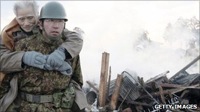 BBC Health is reporting that several Japanese doctors wrote to the Lancet, telling of how they used social media sites such as Twitter to communicate with their patients during and after the earthquake.
“Forming a supply chain for such drugs in the earliest stages of the disaster was difficult; however we found that social networking services could have a useful role.”
Social media is becoming an important communication element before and after disasters. Communicators are using the tools to alert public about approaching disasters, and then using those tools to get assistant to survivors. For the Japanese doctors, the goal was not to treat emergency cases, since hospitals tended to patients with urgent needs. Instead, they needed to get medicines to those with chronic diseases such as diabetes, hypertension and the like.
Since the Caribbean is prone to hurricanes and other natural disasters, are our telecommunications infrastructure reliable enough to operate in their aftermath? Are enough of our citizens engages in social media, such that in case of emergencies, officials are able to communicate with them? Do those who respond to natural disasters–healthcare workers, law enforcement etc–know what communication sites their publics are using?
It may seem arbitrary to want to know where your citizens congregate online. But that knowledge proves invaluable in natural or unnatural disasters.
 The Jamaican Observer reported today that the country is receiving PEPFAR funds to fight HIV/AIDS stigma. Stigma is one of the major barriers to decreasing HIV transmission across the region, and also greatly affects the lives of those living with and affected by HIV.
The report said that the funding will go to five organization, with the funding used to reach
youth in rural and urban communities, marginalised population and faith-based organisations through specific initiatives.
A major part of the stigma reduction program will include developing communication campaigns to inform and educate different populations about AIDS. It’s amazing that thirty years into the epidemic, there is still a lot of confusion about AIDS, and often, this breeds stigmatization. Some funds will also be used to educate women leaving prisons, a population who are often stigmatized for their status and that puts them at risk.
Do you have other example of health communication interventions targeted at at-risk populations in your community?
An article published today in the New York Times reports that getting HIV infected individuals to treatment immediately after diagnoses, instead of waiting for a low CD4 count, greatly reduces the risk of transmission.
The study, lead by Dr. Myron Cohen at the University of North Carolina at Chapel Hill followed more than 1700 couple, and the early results from the study led an independent review panel to conclude that all participants should be given treatment.
This is definitely good news for those working to end the HIV epidemic. In the past few years, several campaigns have focused on testing and treating individuals as early as possible, including UNAIDS Test and Treat; the Know Your Status campaign targeting Black Americans and the various community-level interventions.
The article brought up a good point-about the doctor patient communication-regarding access to treatment. It reminded that despite the promise of the study, it is still up to doctors to decide with their patients when to begin treatment. Also mentioned were the various barriers to access to care. In the Caribbean region, like most of the world, those who need treatment are not always able to get it because of cost or other issues.
In what ways can health communication be used to advance the research presented in this study? How might one design an intervention targeted at doctors treating newly infected HIV patients? What type of health education intervention would you design to let people know that early treatment is an option after getting tested?
 Caribbean Health Communication Blog