Caribbean Breast Cancer Rates Higher Than Normal

This news comes via CBS4 in Miami, who interviewed Dr. Judith Hurley about her research with breast cancer patients at the University of Miami. After observing that many of the women with breast cancer from the Bahamas was very young, she began to do research with oncologists in the Bahamas and came to this conclusion: “The women who had breast cancer in the Bahamas were younger than the women in the United States.”

Although the report says that with grants from the Komen for the Cure foundation, testing was expanded, it was unclear is this was only across the Bahamas or to Black Caribbean women in other areas. Needless to say, this research could have impact across the Caribbean and calls for more education, earlier diagnoses and access to treatment for anyone affected.

One of my grandmothers is a breast cancer survivor of close to 2o years. I remember hearing that she had to leave our island to get treatment at a facility in Barbados. To my understanding, she was in her early 40’s when diagnosed and today, she is living strong and healthy.

As Caribbean women, we bear a disproportionate burden of many cancers, chronic diseases and infectious diseases. Any progress towards eliminating those burdens should be noted.

To read more about the study and see a video clip, visit the website here.


Highlights of health news from around the region

PANCAP urged to do more to fight disease in region

(Jamaican Observer) — GEORGETOWN, Guyana (CMC) — The Pan Caribbean Partnership against HIV and AIDS (PANCAP), which ended a two-day meeting here on Wednesday, has been urged to vigorously promote the cause of elimination of HIV as a public health threat in the Caribbean.

Guyana’s Health Minister Dr Leslie Ramsammy, who is also the chair of the PANCAP Executive Board said it was necessary to work towards a trajectory of long, healthy and productive lives for Caribbean citizens.

PANCAP, established in 2001, is the regional mechanism responsible for coordinating the Caribbean’s response to the HIV and AIDS epidemic.

Jamaicans making it difficult for gays to stay with one partner?

(Jamaica Observer) — ONE of the world’s leading bioethics publications, Developing World Bioethics Journal, says Jamaicans are making it difficult for men who have sex with men (MSM) to be monogamous. The publication also suggested that Health Minister Rudyard Spencer is unhappy with the fact that his government “continues to support legislation that contributes significantly to the high prevalence of HIV/AIDS among MSM”.

Sport for Health launched in Grenada

(Caribbean News Now) — ST GEORGE’S, Grenada—Principals and sporting ambassadors from each of Grenada’s 22 secondary schools attended the launch of the Windward Islands Research and Education Foundation’s (WINDREF) Sport for Health Program. 

A collaborative program between WINDREF, St George’s University, the Ministries of Sport and Health, and the Grenada National Olympic Committee, the goal is to help reduce the public health problem of chronic disease by increasing awareness and educating the public about delaying or preventing the onset of chronic disease by leading a healthier lifestyle.

Grenada gets funds for poverty reduction

(The Guardian, Trinidad) — ST GEORGE’S—The United Nations’ rural development agency is to co-finance a US$7.5-million project in Grenada designed to alleviate poverty in the Caribbean country, benefiting an estimated 12,000 members of poor communities on the main island and the isle of Carriacou. The UN International Fund for Agricultural Development (IFAD) will provide US$3 million in loan to the six-year Market Access and Rural Enterprise Development Programme to create jobs, improve market access and support rural micro-enterprise projects in 50 communities, according to an agreement signed in Rome between the Fund and Grenada’s government.

Ministry of Health hold consultation on strengthening the health system

(Dominica News Online) — The Ministry of Health convened the first in a series of consultations on “Strengthening the Health Systems and Engaging the Private Sector” on Thursday March 31, 2011, at the Garraway Hotel.

Stakeholders from both the Private and Health Sectors participated in the half day consultation to dialogue on priorities for technical assistance in health system strengthening and private sector engagement. They were to provide a rationale for improving the sustainability of HIV/AIDS programming and the health sector, and also to develop a framework for future collaboration between the health and private sectors

Commentary: Poor indoor air quality a potentially explosive health crisis in the Caribbean

(Caribbean News Now) — On the outside the sunny Caribbean is known for its hot balmy weather mediated by cool island breeze, creating a literal tropical paradise. On the inside lurks the real culprit—high humidity and temperatures and the ever present mildew.

Because our building designs, laws, regulations and building codes have not taken into consideration the combination of outdoor and indoor air quality, workers and employers are now forced into an unnecessary standoff. Consequently, the Caribbean is on the verge of a worsening trend of sick building syndrome (SBS) as workers in several islands threaten employers with labour action unless they take serious stock of the poor quality of indoor air in their workplaces.

Fresh outbreak of cholera in Haiti after heavy rains – AlertNet


CHOLERA outbreaks are on the rise again in Haiti following heavy rainfall in late March, warns children’s charity Plan UK.

According to Plan staff on the ground, mortality rates in some areas of the country are now as high as eight per cent and the situation is expected to worsen with the approaching cyclone season.

Haitians are particularly vulnerable at present, as many NGOs reduced their cholera response activities following the decline in infections during the recent dry season.

Plan Haiti’s Country Director John Chaloner warns that a strong and sustained NGO presence was still crucial in order to prevent further disaster in a country already ravaged by the aftermath of the 2010 earthquake.

“Time is of the essence with cholera, which can kill a person within hours if left untreated. The majority of people in Haiti live without proper sanitation facilities or access to clean water and so support for Plan Haiti’s cholera response activities is as important now as it ever was,” says Mr Chaloner.

According to Haiti’s Ministry of Health (MSPP), since last November over 267,000 people have been infected with the disease and the death toll has now reached 4,747.

Plan Haiti has installed Oral Rehydration Points and Cholera Treatment Units in areas across the country, in an effort to reach people living in camps or areas made inaccessible by damaged roads.

Young children are especially vulnerable to infection and Plan warned of an increasing need for safe drinking water and access to sanitation facilities, particularly in the North-eastern part of the country.

“Mobilising to fulfill children’s need for clean water and sanitation in Haiti continues to be one of our highest priorities,” said Heidi Reed, Plan Haiti’s Communications Manager.

Plan’s cholera prevention and treatment activities include the installation of water tanks in schools, the distribution of hygiene kits and the drilling of boreholes to provide communities with safe drinking water.

However, some areas of the country still lack health personnel and the situation is worsening in the western region, which has no health centres and limited access by road.

“The consensus among health experts is that cholera will never completely recede from Haiti, which is why Plan must integrate cholera into all of its education, community health, disaster risk reduction and youth participation programmes,” said Mr Chaloner.

“To reduce the impact and the spread of the cholera outbreak, all actors involved in the response should focus their attention on prevention. The Government of Haiti and donors should invest in the building of cost effective and efficient water networks in urban areas and water and sanitation facilities for rural areas to ensure adequate access to potable water.”

via Fresh outbreak of cholera in Haiti after heavy rains – AlertNet.

Dominica has lowest obesity rates but high mortality from hypertension and diabetes

One of the top news stories out of Dominica in the past week is that the island has the lowest obesity rates in the region. The report was written after a (epidemiological) survey from several islands, including St. Kitts, Barbados and the British Virgin Islands. Despite not having the highest rates, 9 percent of males and 33 percent of females on Dominica are obese, according to epidemiologist Dr. Paul Ricketts.

Today, Dr. Ricketts revealed that diabetes and hypertension are among the top ten leading causes of death among Dominicans.

“This is very significant for us and if we look at it by gender, you can see that again that diabetes and hypertension are in the top five causes of death whether you are a male or female, perhaps more so significant for females. If we look at the last five years that we have data for, when we aggregate this, you will see that diabetes, in fact, is a major player in terms of the underlined cause of death coming in at number two as well as hypertension. They’re both in the top five causes of death in our country.”

In light of today’s news, one should revisit the discussion on obesity rates, after all, obesity (and being overweight) is one of many risk factors for diabetes and hypertension. Therefore, having the lowest obesity rates was something to boast about only if other factors were/are ignored.

Yes, Dominicans like others in the western world (developed and developing) are getting fatter. This is something even Dr. Ricketts admitted. In light of these public health issues, the Ministry of Health developed a strategic action plan to address these and other public health issues.

I have done other posts of encouraging active living, reducing salt intake, and general CNCDs.

The full article on obesity can be seen here and on diabetes and hypertension here.

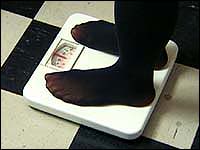
The image above can be found at http://hairoun.blogspot.com/2005_10_01_archive.html where the blogger discusses St. Vincent and the Grenadine’s obesity weight.

Music Mondays: Romain Virgo’s “Taking you home” & Tarrus Riley’s “Start a new”

This double feature is courtesy of JamaicanDiaspora’s youtube page and address the pervasive issue of Intimate Partner Violence.


Various studies has shown the rise in DV across the region. Research from World Bank revealed the region having a higher rate of sexual violence than the world average. Additionally, ” Approximately 30% of women surveyed in Trinidad & Tobago experienced domestic violence; 67% of women in Suriname have experienced violence in a cohabiting relationship and 30% of adult women in Antigua & Barbuda and Barbados have experienced some form of domestic abuse.”

Violence against women, and indeed any kind of domestic violence (including against men) has no place in society.

Visit UN’s UNiTE to end violence against women to learn more: http://www.un.org/en/women/endviolence/

See also: http://www.bbc.co.uk/caribbean/news/story/2004/03/040308_domestic-violence.shtml

and CWHA: http://www.cwha.org/services.php?a=violence